All
News
Trends
Offers
SCHUFA in Germany – credit bureau explained simply
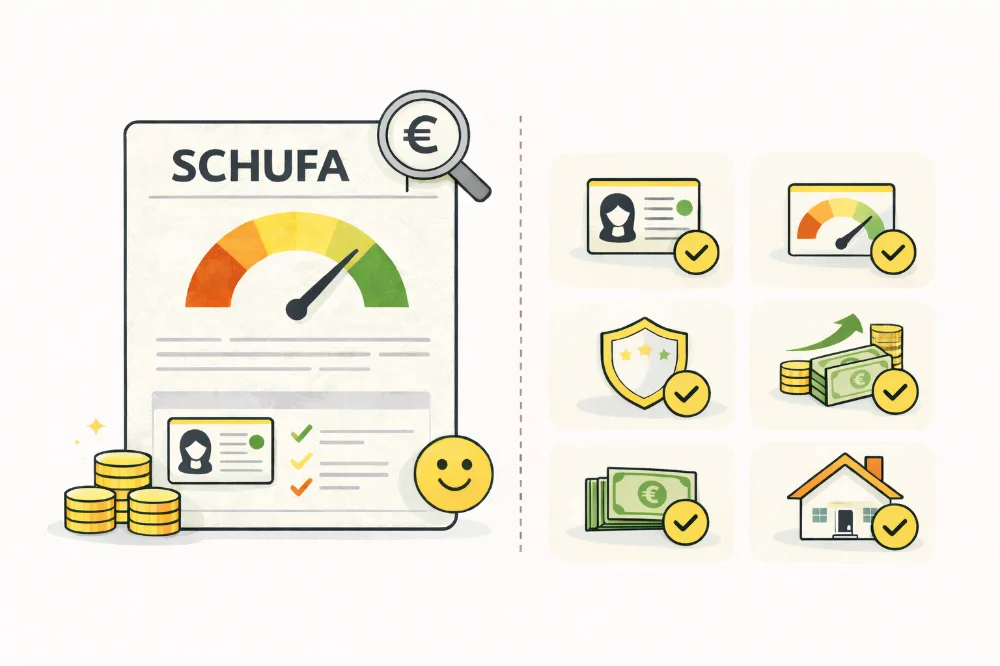
Moving to Germany is exciting, but understanding how your finances work here can feel confusing. One key part of your financial life is SCHUFA, Germany’s main credit bureau. It’s a system that tracks your credit behavior and creates a credit score that lenders, landlords, and service providers use to decide if they can trust you financially. In this article, we explain SCHUFA in simple terms. You will learn how SCHUFA collects information, what a credit score means, how to check your report, and why it matters for loans, renting apartments, and other financial decisions. We also give tips for improving your score and avoiding common mistakes that could hurt your financial reputation in Germany.
What SCHUFA Is and Why It Matters
SCHUFA is short for Schutzgemeinschaft für allgemeine Kreditsicherung, which means “General Credit Protection Agency.” It’s the largest credit bureau in Germany, tracking how people handle money, loans, and contracts. When you open a bank account, rent an apartment, or get a phone contract, SCHUFA often receives information about your financial behavior.
Your SCHUFA file contains your personal information, financial commitments, and history of credit agreements. It does not show your bank balances, but it records if you have paid your bills on time, missed payments, or defaulted on loans. Every entry affects your creditworthiness. Lenders, landlords, and other companies use your SCHUFA score to decide whether to trust you. A good score means it’s easier to get loans, rent apartments, or sign contracts. A low score can make lenders cautious or require additional guarantees. Knowing what SCHUFA is and how it works helps you understand your financial position in Germany.
SCHUFA also plays a preventive role. By keeping track of debts and defaults, it helps companies reduce risks and encourages people to pay on time. For residents, being aware of your score allows you to take control of your financial reputation. Many newcomers don’t realize that SCHUFA exists or how it can affect their daily life. Ignoring your score can lead to unexpected problems, like loan rejections or difficulty renting an apartment.
Understanding SCHUFA is not about fearing it—it’s about using the system to your advantage. You can check your report, correct mistakes, and make smart decisions to maintain a healthy score.
How Does SCHUFA Calculates Your Credit Score
SCHUFA calculates your credit score using information about your financial behavior. The score is a number between 0 and 100, with higher values indicating lower risk for lenders. Most scores in Germany range from 90 to 97 for people with reliable financial behavior.
The score considers many factors: payment history, types of contracts, outstanding loans, and recent credit inquiries. For example, missing payments or defaulting on a loan lowers your score, while paying bills on time increases it. New financial agreements, like opening multiple credit cards quickly, may slightly lower your score temporarily.
SCHUFA assigns weight to different factors. Long-term accounts in good standing, like a bank account with consistent payments, positively affect your score. Short-term defaults, unpaid bills, or frequent credit applications negatively impact it. It’s important to know that SCHUFA does not judge your income or savings—it looks at your reliability with money. That’s why even people with modest incomes can have excellent scores if they pay bills on time.
Understanding how your score is calculated helps you plan financial decisions, avoid mistakes, and maintain a good credit reputation. Regularly checking your SCHUFA report ensures that errors do not affect your financial opportunities.
How to Check and Correct Your SCHUFA Report
You can request a free annual copy of your SCHUFA report (Datenkopie nach Art. 15 DSGVO). This report shows all entries and your current score. Checking it regularly helps catch errors, like outdated debt entries or incorrect personal information. To request your report, visit the official SCHUFA website or use certified partners. You’ll need your personal data and identification, such as passport or residence card. After verification, SCHUFA sends your report by mail or digitally.
If you find mistakes, you can contact SCHUFA to have them corrected. Common errors include misattributed debts, old entries not removed on time, or spelling mistakes. Correcting mistakes can significantly improve your credit score and financial opportunities. Monitoring your report is crucial, especially before applying for loans, renting apartments, or signing new contracts. A clean SCHUFA record makes these processes smoother and faster.
Remember: even small errors can have unexpected effects. By staying proactive, you take control of your financial reputation in Germany.
Tips to Improve and Maintain Your SCHUFA Score
Maintaining a good SCHUFA score is about consistent, responsible financial behavior. Pay your bills on time, avoid unnecessary credit applications, and keep debts manageable. Using credit responsibly, like paying off credit card balances in full, improves your score. Avoid missed payments, and if you can’t pay on time, contact your creditor immediately to arrange a solution.
Long-term accounts in good standing, such as a bank account or utility contracts, positively affect your score. Changing your address or personal information promptly helps keep your report accurate.
Don’t ignore small entries or forgotten payments—they can accumulate and impact your score over time. Check your report at least once a year and correct any mistakes promptly. A good SCHUFA score opens doors: easier loans, faster apartment rentals, and better credit offers. It is a tool to build financial trust in Germany, not something to fear.
In conclusion, SCHUFA is an essential part of financial life in Germany. Understanding it, monitoring your report, and practicing responsible financial behavior ensures that you maintain a strong credit reputation.
Author: Moini
29/03/2026, 3 min read